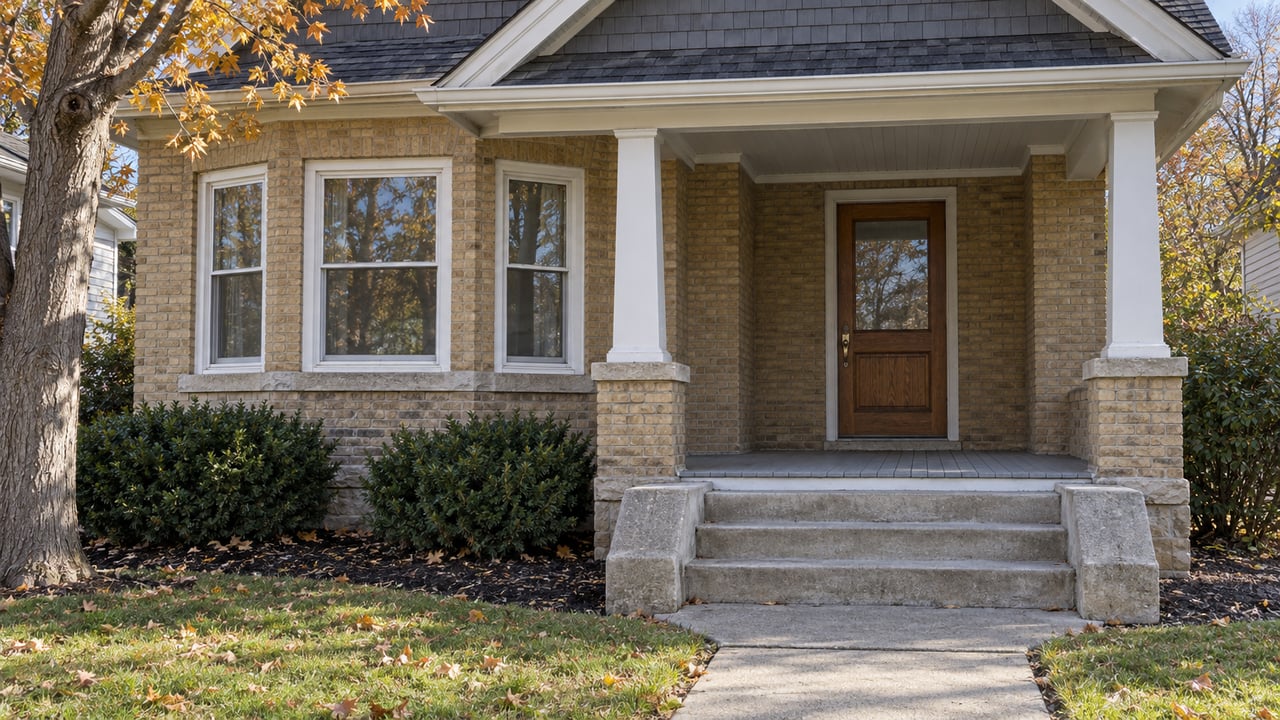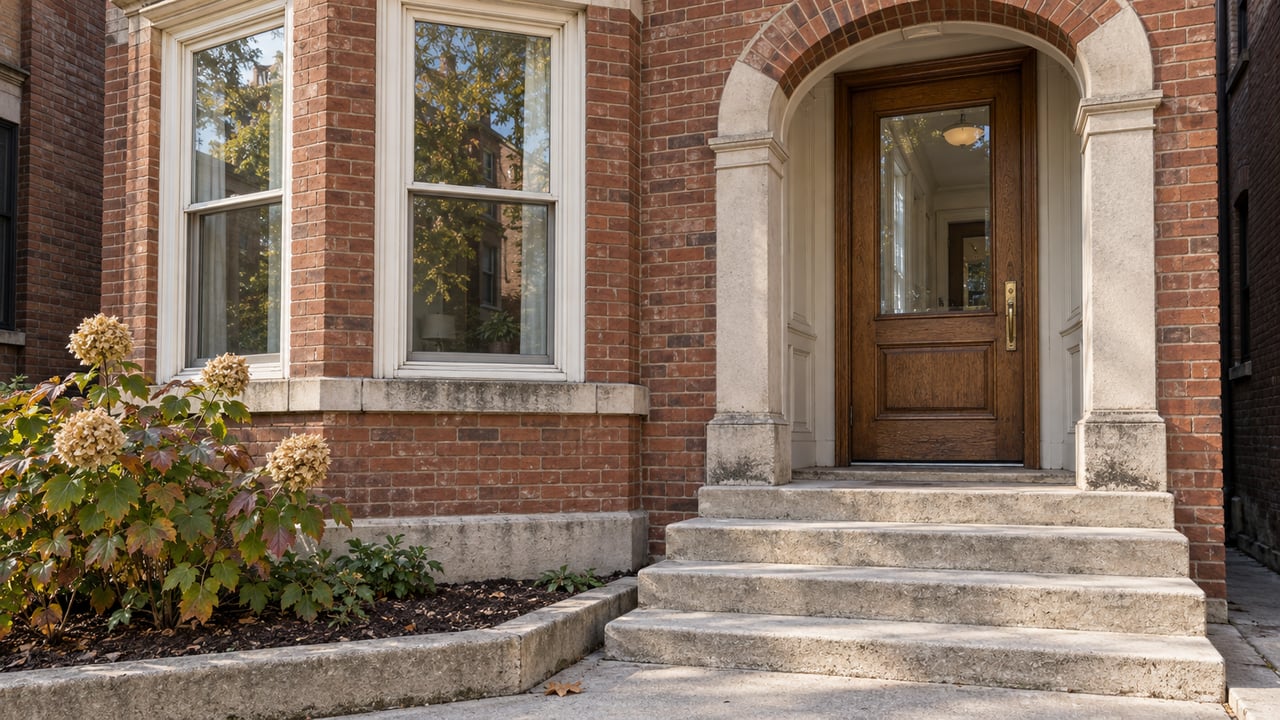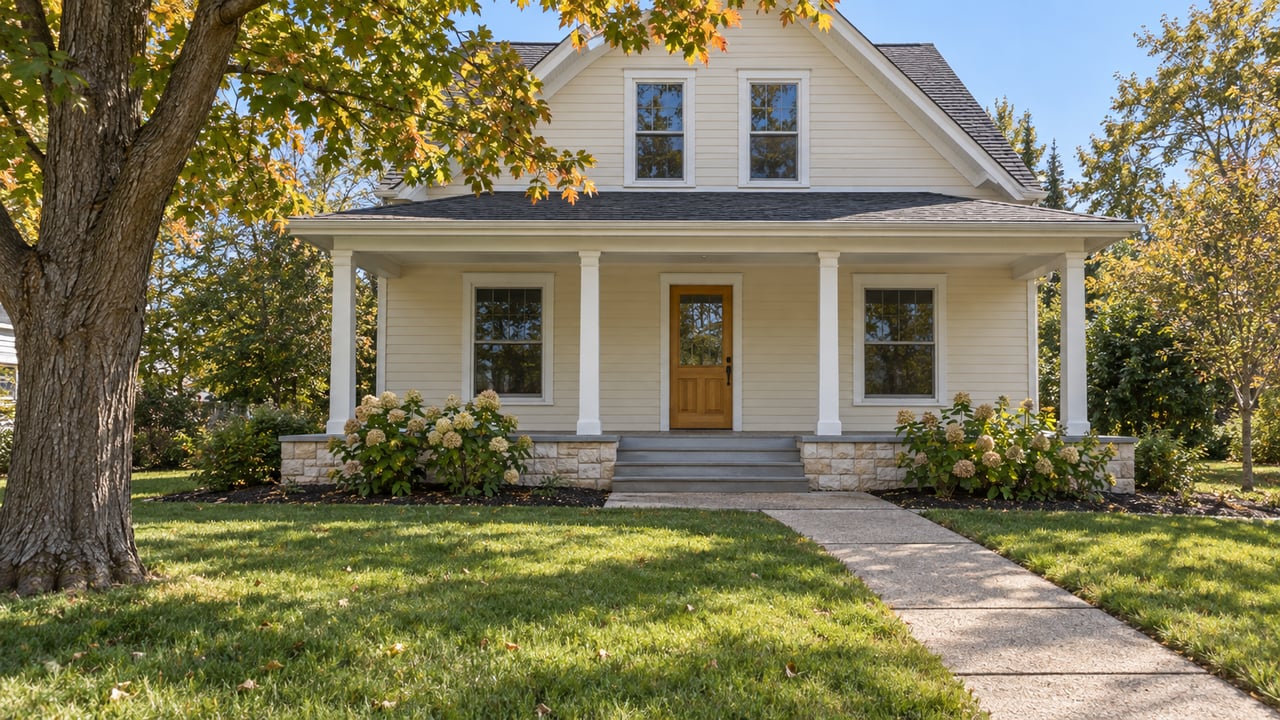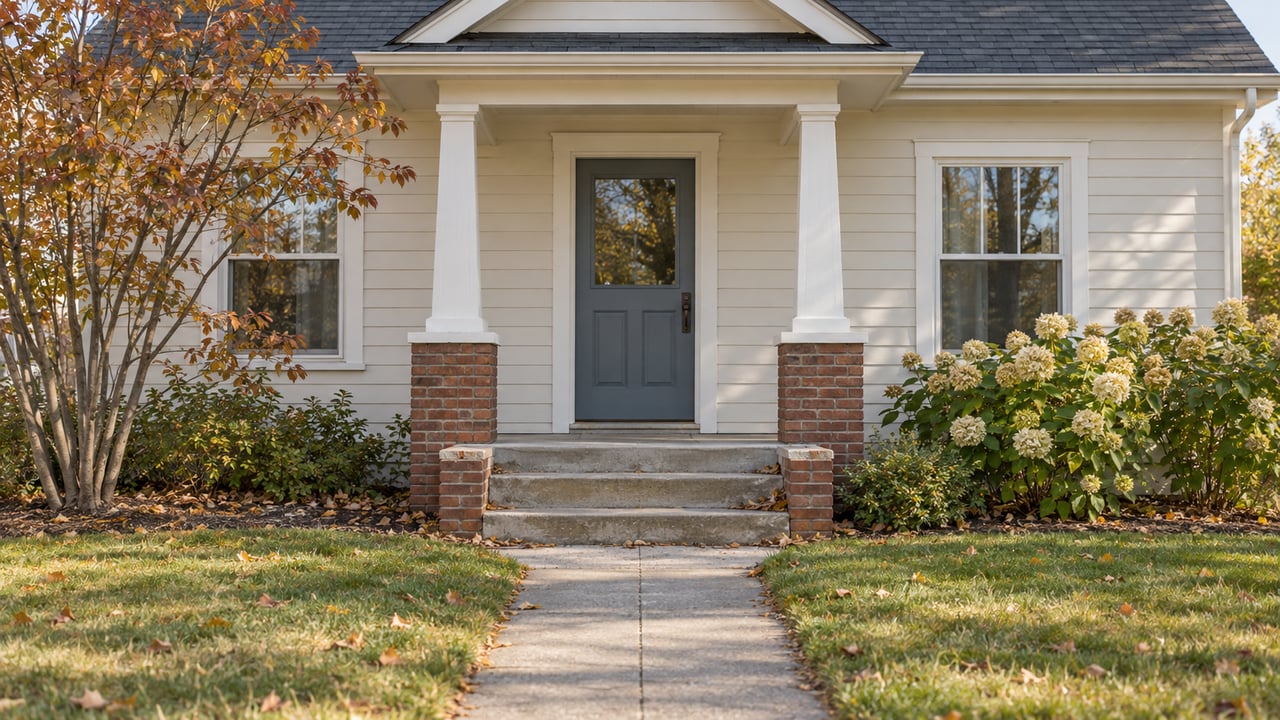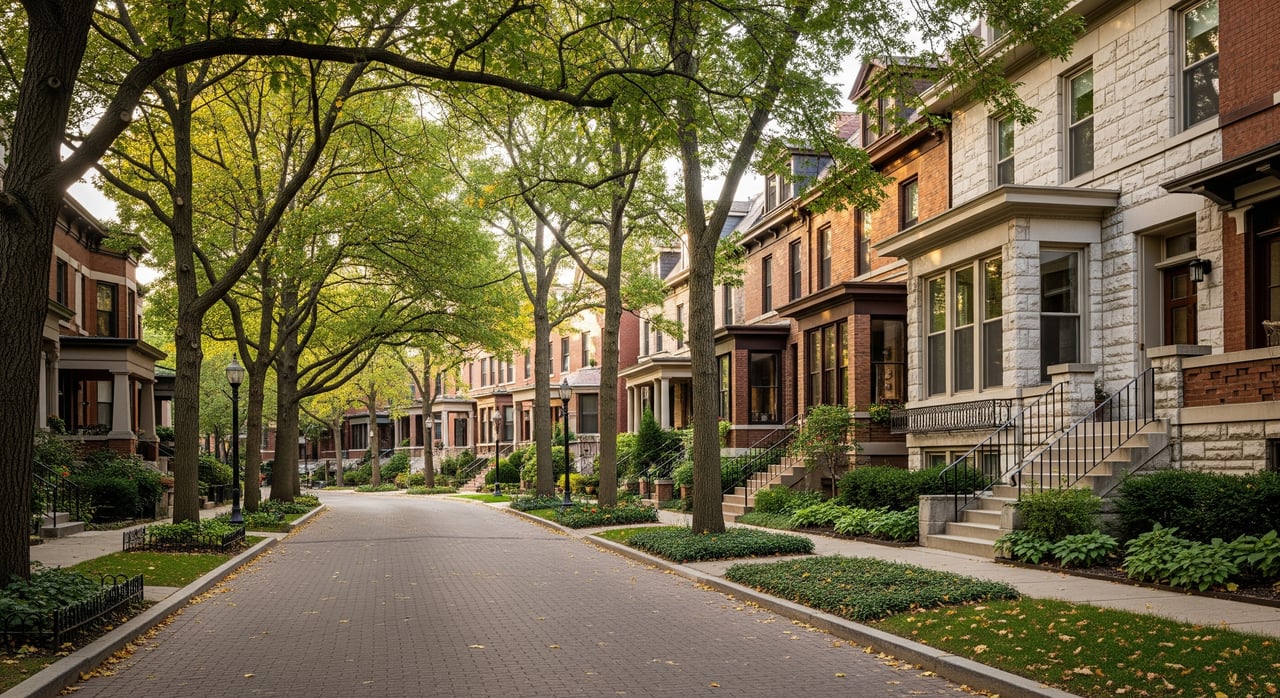
You want the neighborly feel of a village, but you still need Chicago’s jobs, culture, and transit. Good news, you can have both. Several Chicago neighborhoods and nearby suburbs offer a small-town vibe, with tree-lined streets, independent shops, and active community life, all within reach of the city. In this guide, you’ll learn where to look, what to expect, and how to compare options based on housing, commute, and day-to-day lifestyle. Let’s dive in.
What small-town means here
Small-town feel is more than quiet streets. It usually includes a walkable main street with local businesses, regular community events, and a strong network of neighborhood groups. Housing often skews toward single-family homes and smaller multi-flats, with historic character and mature trees. You also want practical access to downtown through Metra, CTA, or major highways. The places below fit this profile while keeping you connected to Chicago.
Chicago neighborhoods to know
Andersonville, Edgewater
- Why it feels small-town: Clark Street is lined with independent shops and restaurants, plus active merchant groups and cultural events like Midsommarfest historically.
- Housing: Vintage walk-ups, two- and three-flats, and some single-family homes a few blocks off Clark.
- Transit: Closest Red Line stops are near the lakefront with bus connections into the heart of the district. Biking is common.
- Tradeoffs: Fewer direct rail options right on the main strip. Parking can be tight during events.
Lincoln Square, North Side
- Why it feels small-town: A compact village center along Lincoln Avenue with local storefronts, family programming, and community festivals such as Square Roots.
- Housing: Bungalows, vintage two-flats, single-family homes, and some mid-rise condos.
- Transit: CTA Brown Line access and strong bus routes make commuting straightforward.
- Tradeoffs: High demand for single-family homes means more competition.
Old Irving Park, Northwest Side
- Why it feels small-town: Historic homes, bigger yards, and long-standing local merchants create a neighborhood feel along Irving Park Road.
- Housing: Many single-family homes from the late 19th and early 20th centuries, including Victorians and bungalows.
- Transit: Near multiple Metra lines and within reach of the Blue Line by car or bus.
- Tradeoffs: Some pockets are more car dependent. Inventory can be limited.
Norwood Park, Far Northwest
- Why it feels small-town: A historic village core and low-density residential blocks give it a distinct small-town identity inside city limits.
- Housing: Predominantly single-family homes with larger lots.
- Transit: Served by Metra UP-Northwest and close to I-90 and I-94.
- Tradeoffs: Longer downtown commutes than closer-in North Side neighborhoods. Fewer late-night options.
Beverly and Mount Greenwood, Far Southwest
- Why they feel small-town: Defined commercial corridors, strong civic identity, and regular neighborhood events and clubs.
- Housing: Mainly single-family homes, including bungalows and Tudor styles in Beverly.
- Transit: Metra Rock Island District serves Beverly. Driving is common in both areas.
- Tradeoffs: Longer commutes to many central job locations and fewer nightlife or arts venues.
Suburbs with village feel
Oak Park, just west of Chicago
- Why it feels small-town: A lively downtown core on Oak Park Avenue and Lake Street, historic architecture, and frequent community events.
- Housing: Historic single-family homes alongside multi-family options near downtown.
- Transit: Multiple rail options, including CTA Green and Blue Lines and Metra UP-West, support efficient trips to the Loop.
- Tradeoffs: Strong demand and pricing above many city neighborhoods.
Riverside, near I-290 and I-294
- Why it feels small-town: Curving Olmsted-designed streets, a village green, and a preserved historic center.
- Housing: Mostly historic single-family homes on larger lots, with limited infill.
- Transit: Metra BNSF station in town plus convenient highway access.
- Tradeoffs: Smaller commercial base and tighter housing inventory.
Winnetka, North Shore
- Why it feels small-town: Multiple compact downtown nodes and very low-density residential streets near Lake Michigan.
- Housing: Predominantly single-family homes on larger lots, a higher-end market.
- Transit: Metra UP-North offers direct service to downtown.
- Tradeoffs: Higher purchase prices and property taxes than regional averages.
Evanston, select nodes
- Why it feels small-town: Village-like pockets along Central Street and around Davis Street, with active merchants and cultural programming.
- Housing: A mix of single-family homes and denser condo or rental buildings, block-by-block variety.
- Transit: CTA Purple Line express and Metra UP-North connect to Chicago and the North Shore.
- Tradeoffs: Busier, denser areas near the university; prices vary widely by neighborhood.
Key tradeoffs to weigh
- Housing mix and lot size: In-city small-town neighborhoods often blend two- and three-flats with single-family homes, which can provide more entry points for buyers and renters. Suburbs lean toward single-family homes and larger lots.
- Inventory and competition: Historic villages and preservation districts, like Riverside and parts of Oak Park, tend to have limited turnover. Popular city neighborhoods such as Lincoln Square can be competitive, especially for single-family homes.
- Price factors: Suburbs with lake access or high-demand amenities, including Winnetka and some Evanston areas, often have higher total housing costs. Remember to account for property taxes, school district boundaries, and any village-specific levies when comparing a monthly budget.
- Commute realities: Expect 20 to 60 minutes or more to downtown depending on line, schedule, and time of day. Some areas rely on Metra for speed, while others are more car friendly.
- Daily lifestyle: You may trade late-night dining and entertainment for quieter evenings, block events, and community programming.
- Future change: Neighborhoods with strong appeal can attract development, including teardowns and infill. Check for recent zoning changes or proposed projects before you buy.
How to choose your fit
Use this simple on-the-ground checklist when you visit:
- Walk the main street at morning, midday, and evening. Are shops busy and sidewalks active?
- Note independent businesses. Look for coffee shops, grocers, hardware stores, bookstores, and local services you will use weekly.
- Scan for community event posters. Farmers markets, parades, and festivals are signals of engagement.
- Check parks and green space. Are they well used by all ages at different times of day?
- Walk several residential blocks. Observe housing stock, upkeep, renovations, and any teardowns.
- Map your commute. Identify the nearest Metra or CTA stops, or your most realistic driving route.
Then, gather a few data points to validate the fit:
- Market snapshot: Median sale price, days on market, and inventory trends for your target home type.
- Transit details: Typical travel times on Metra or CTA lines you would use most often.
- Schools and districts: Confirm district boundaries and recent report cards through official sources.
- Property taxes: Review historical tax bills through the county or village websites.
- Safety context: Review official crime data and speak with neighbors about day-to-day experiences.
- Development outlook: Scan zoning maps and any planning agendas to see what is changing nearby.
Next steps
If you want a village feel without leaving Chicago life behind, start with a short list. For in-city options, Andersonville, Lincoln Square, Old Irving Park, Norwood Park, and Beverly or Mount Greenwood cover a range of styles and commute profiles. If you are open to nearby suburbs, Oak Park and Riverside offer historic charm and transit access, while Winnetka and select Evanston pockets deliver a more residential vibe near the lake.
You do not have to figure this out alone. The Phair-Hinton Group helps you compare neighborhoods, map realistic commutes, and target homes before they hit the wider market. From Chicago to nearby suburbs, and even across state lines to Wisconsin, our team streamlines the search, the offer, and the move. Ready to explore? Connect with the Phair-Hinton Group. Let’s get you home.
FAQs
Which Chicago neighborhoods feel like small towns?
- Andersonville, Lincoln Square, Old Irving Park, Norwood Park, and Beverly or Mount Greenwood offer village-like main streets, community events, and lower-density housing compared with downtown.
What suburbs near Chicago have a small-town vibe?
- Oak Park, Riverside, Winnetka, and select parts of Evanston combine walkable downtowns with Metra or CTA access and a strong network of local businesses.
How should I compare commutes from these areas?
- Identify your nearest Metra or CTA line, check peak and off-peak timetables, and test the route at your actual travel times to validate door-to-door timing.
What housing types can I expect in these places?
- City neighborhoods often mix single-family homes with two- and three-flats and some condos, while suburbs skew toward single-family homes on larger lots.
How can I assess total monthly costs beyond the price?
- Review property taxes, potential village fees, commute costs, and likely utility or maintenance expenses based on home age and lot size.
How can the Phair-Hinton Group help my search?
- We compare neighborhoods, share pre-market opportunities, coordinate tours, and manage the entire offer-to-close process so you can move with confidence.