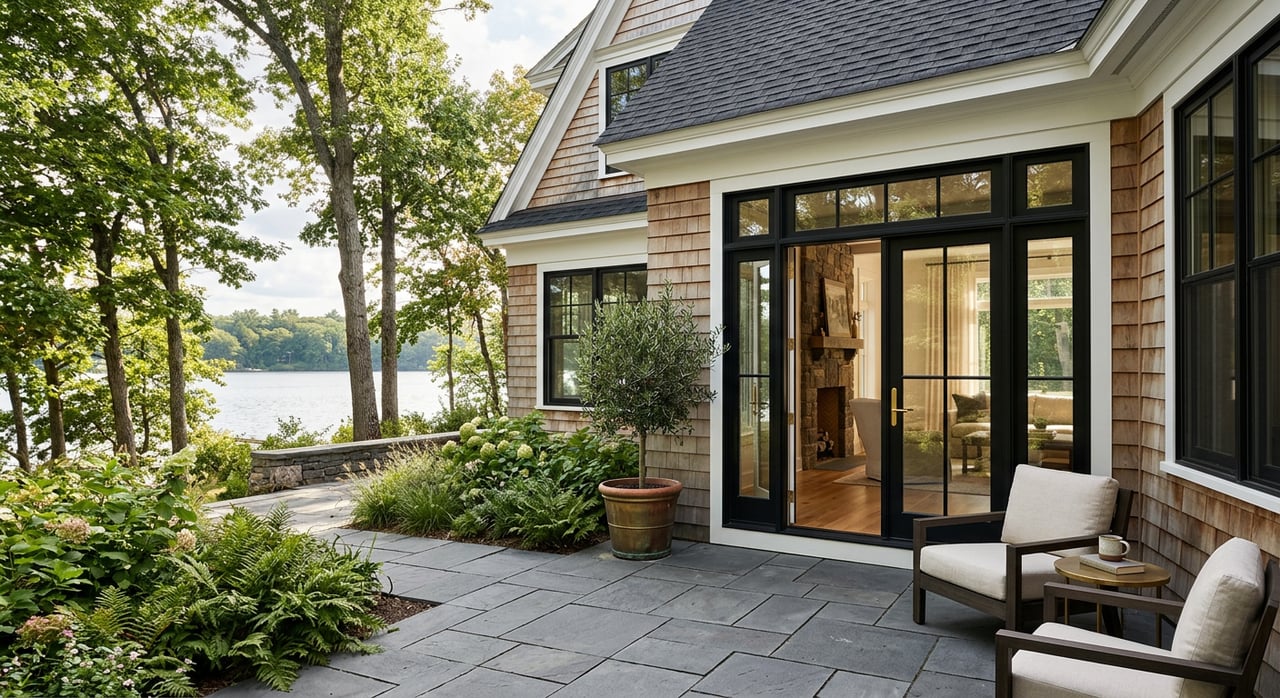
Ever picture yourself rolling into Waupaca on a Friday night, dropping your bags, and sliding a pontoon into glassy water before sunset? If you are daydreaming about a second home or a closer connection to the Chain O’ Lakes, you are not alone. The lifestyle is special, and so are the logistics. In this guide, you will learn what daily life actually looks like, what it costs, the rules you need to know, and the smartest steps to take before you buy. Let’s dive in.
Why Waupaca works for weekenders
Waupaca sits in central Wisconsin, close enough for easy weekend trips. Typical estimates put the drive at about 3 to 3.5 hours from Chicago and about 2 hours from Madison, depending on your start point and traffic. That makes Friday arrivals and Sunday returns very doable.
The heart of the area is the Waupaca Chain O’ Lakes, a group of 22 interconnected lakes known for clear water and a relaxed boating style. You will see more pontoons, kayaks, and canoes than high‑speed traffic on many of the smaller no‑wake lakes. Summer weekends feel lively but still small‑town friendly.
Life on the Chain by season
Summer
Summer is peak lake time. You will boat, paddle, swim, and catch music on the water. Clearwater Harbor’s cruises and the historic Chief Waupaca sternwheeler add to the classic summer vibe. Expect busier Saturdays, limited parking at popular launches, and great conditions for slow cruising on the smaller, clear lakes.
Spring and fall
Spring “ice‑out” is when you set the season. That means dock installation, shoreline clean‑up, and septic checks. Fall brings color, fewer boats, and a focus on winterizing. Shoulder seasons are ideal if you value quiet weekends, hiking trails, and time to handle maintenance without rushing.
Winter
Winter can be part of the joy, not a pause. Ice fishing, snowmobiling, and cross‑country skiing keep lake owners engaged all season. Nearby Hartman Creek State Park offers trails, a beach in warm months, and year‑round scenery. Some homes are fully winterized and used year‑round, while others close for the season.
What lake homes look like
You will find a mix of older seasonal cottages, updated year‑round homes, and newer custom builds. Many properties include a private dock, boat lift, lakeside deck or porch, and a path to the shore. Inventory for true waterfront can be tight, so desirable parcels move quickly.
Lots and shoreline vary. You may see sand, marl, or rock along the water, which affects how you swim and where a dock sits. Waupaca County groups lakes for shoreland rules, with differing minimum frontage, lot areas, and setbacks. Some Chain lakes are sewered, others are not. The Waupaca County shoreland protection manual is your go‑to reference for lot standards and service notes.
Utilities differ by parcel. Many lake homes rely on private wells and septic systems. Others, especially on sewered lakes or within city service boundaries, may have municipal water and sewer. Always verify utilities for the specific address.
What it costs to own
There is a real lakefront premium on the Chain. While broader Waupaca County home values often sit in the low to mid $200,000s to $300,000s, true Chain O’ Lakes waterfront tends to list much higher, with limited inventory. As of late 2025, Chain waterfront medians were reported in the million‑plus range. Always check current MLS data for a live read on pricing.
Beyond the purchase price, plan for these ongoing and episodic costs:
- Septic and wells. Follow EPA guidance on septic care. Professional inspections are recommended at least every 3 years and pumping is often every 3 to 5 years, depending on tank size and use. Budget a few hundred dollars for routine pumping, with repair or replacement costs much higher.
- Dock, lift, or boathouse. Materials, design, and installation drive price. Industry snapshots suggest dock construction costs can range from the low thousands into the tens of thousands, and many boat lifts run from a few thousand up to $10,000 to $15,000 or more. Add seasonal install and removal, small annual repairs, and deck board replacement over time.
- Insurance and flood risk. Standard homeowners policies typically exclude flood damage. If a property sits in a FEMA Special Flood Hazard Area, lenders will require flood insurance. Even outside mapped zones, some owners choose added coverage. Check the FEMA Flood Map Service Center for the parcel’s designation, then speak with an insurance agent for premiums.
- Winterizing and property care. If you use the home seasonally, budget for winterization, spring opening, lawn and shoreline care, and snow removal. Many owners hire local marinas and service providers to handle boat hauling, dock work, and routine checks.
Rules and permits to know
Lake ownership brings extra rules. Plan ahead and verify permits early.
- Shoreland zoning. Waupaca County enforces minimum shoreline frontage, lot area, setbacks, and vegetation protections. Many shoreline changes and land‑disturbing activities require approval. Review the county’s shoreland protection manual and connect with zoning staff during due diligence.
- Piers, docks, lifts, and boathouses. The Wisconsin DNR regulates size, placement, and the number of moorings based on shoreline width. New “wet” boathouses are largely prohibited except in narrow cases. Mooring buoys placed outside 150 feet from shore typically need a state permit. Confirm whether existing structures are properly permitted or grandfathered. Start with the Wisconsin DNR Waterways rules for piers, docks and boat shelters.
- Aquatic invasive species. Owners play a role in prevention. Follow the “clean, drain, dry” steps for boats and gear, and watch for local inspection programs at public launches. Find best practices on the state’s DNR invasive species information.
Pre‑purchase checklist
Use this quick list to structure your diligence.
- Water access type. Is it true waterfront, deeded access, or shared/cluster docking? Look for recorded easements.
- Shoreline and bottom. Sand, marl, or rock affects swimming and dock siting. Walk the frontage and ask for lake facts.
- Dock and lift status. Confirm permits, dimensions, and whether any structures are grandfathered. Review DNR and county requirements.
- Septic details. Ask for the last inspection and pumping dates, tank size, system type, and service records. Use EPA timelines as a guide.
- Utilities. Verify whether the parcel is on private well and septic or municipal services. Confirm with local utility maps.
- Flood zone and insurance. Check the FEMA flood map and discuss lender requirements and premiums.
- Short‑term rentals. If renting is part of your plan, review city or town ordinances, county rules, and any HOA or lake association policies.
A sample Chain weekend
- Friday evening: Arrive, unload, and take a slow sunset lap on a pontoon. Dock lights on, porch screens open, and a late bite in Waupaca or King.
- Saturday: Coffee on the deck, paddle the smaller no‑wake lakes, then browse the farmers market. Book a lake cruise or catch live music in the evening. Peak days can be busy, so dock before dinner.
- Sunday: Swim or cast a line early, then a light shoreline clean‑up and a quick systems check. Close up by mid‑afternoon and you are home by dinner.
Nearby amenities you will use
- Parks and trails. Hartman Creek State Park adds hiking, biking, and a family‑friendly beach when you want variety beyond the boat.
- Marinas and boat services. Seasonal slips, fuel, and service vendors help with hauling, dock install, and maintenance. Book early for peak weekends.
- Dining and events. Waupaca and King offer groceries, restaurants, and seasonal events. The area’s events calendar features music, community cruises, and the Jazz & Cocktails festival.
Own with confidence
Owning a lake retreat should feel restorative, not complicated. You can make smart moves by confirming permits, understanding septic and dock care, and planning an annual maintenance rhythm that fits your life. If you are moving between Chicago and Wisconsin or coordinating a second home, you will benefit from a clear plan, local vendor support, and a team that keeps the process on track.
Ready to explore options and map your due diligence? Connect with the Phair‑Hinton Group. We will walk you through timelines, introduce trusted service providers, and help you decide if a Waupaca lake home is the right fit for your goals.
FAQs
How far is Waupaca from Chicago and Madison for weekend trips?
- Plan about 3 to 3.5 hours from Chicago and about 2 hours from Madison, depending on your exact start point and traffic.
What kinds of boats work best on the Chain O’ Lakes?
- Pontoons, kayaks, canoes, and small runabouts are popular. Many smaller lakes emphasize no‑wake travel, which suits relaxed cruising and paddling.
What routine maintenance should I expect with a Waupaca lake home?
- Seasonal dock install and removal, shoreline clean‑up, septic inspections and pumping on a schedule, winterization if you close the home, and snow removal or lawn care.
Do I need flood insurance for a Waupaca lakefront property?
- Lenders require flood insurance if the home is in a FEMA Special Flood Hazard Area. Some owners outside mapped zones still choose coverage after reviewing risk and premiums.
What permits apply to docks and boat shelters on the Chain O’ Lakes?
- The Wisconsin DNR sets size and placement standards tied to shoreline width. You should verify existing permits, confirm any grandfathered status, and check whether mooring buoys need permits.
How do septic systems factor into buying a Waupaca lake property?
- Ask for inspection and pumping records, tank size, and system type. Plan for professional inspections every few years and pumping every 3 to 5 years, depending on use.
Can I rent my Waupaca lake home as a short‑term rental?
- It depends on local ordinances, county rules, and any HOA or lake association policies. Confirm regulations and permitting before you buy or advertise.